Tag: Read the Bible for Yourself

  • What Does It Say?

    What Does It Say?

    When people read the Bible together, a familiar pattern often appears.

    Someone reads a passage, and the conversation quickly moves to what someone else thinks about it. A commentary is consulted. A study guide is opened. Someone explains the interpretation that has been taught before.

    Those things can be useful. But they can also become a shortcut. Instead of asking what the text actually says, we ask what someone else thinks it says.

    This site removes that step.

    There are no devotionals here, no interpretive notes, and no commentary explaining the passage before you have a chance to read it yourself. What you will find here are the readings.

    That does not mean every passage will be easy. Some are simple and clear. Others take patience. The Bible was written across centuries, in different places, through different people. Understanding often grows slowly.

    But slow understanding is still understanding.

    And most of the time it grows from direct exposure to the text itself. Reading it. Returning to it later. Seeing something you missed before because the surrounding context has become more familiar.

    That is why the structure here is intentionally simple.

    Each day you read the chapter of Proverbs that matches the date. The weekly readings continue through the rest of Scripture a little at a time. There are no streak counters and no pressure to catch up. The goal is simply steady exposure to the text.

    Over time, repetition builds familiarity. Familiarity builds understanding.

    Quietly.

    If you would like the weekly readings delivered to your inbox each Sunday, you can sign up below.

    No commentary. No agenda. Just the readings.

    Start With This Week’s Readings

    We respect your email privacy

    By submitting, you consent to receive emails from His Word Together, including blog posts and updates. You may unsubscribe at any time.

  • Which Bible Version Should You Read?

    Which Bible Version Should You Read?

    People ask this question more than you might expect.

    They want to know which version is best. Which one is most accurate. Which one they’re supposed to use.

    There are strong opinions out there, and some people treat the choice like it’s the most important part of reading. They also tend to act like they are more expert than they really are when they tell you these things.

    I’d say ignore them.

    A version you will actually read is better than one you feel obligated to use but never open.

    Different translations exist for a reason. Some are more formal. Some are easier to read. Some use more modern language. The differences matter, but not as much as consistency.

    If a version makes it easier for you to keep coming back, that’s a good choice.

    You can always compare translations later if you want to. That becomes more useful once you’ve spent time in the text.

    At the beginning, the most important thing is simply reading.

    The same idea applies to format.

    Reading is good. Listening is also good. If you’re driving, working, or walking, listening still puts Scripture in front of you. When you can read with your own eyes, you may notice more detail, but both are useful.

    There’s no reason to turn this into something complicated.

    You don’t need the perfect translation, the perfect format, or a perfect setup.

    You just need something you’ll actually use.

    Pick one and start.

    If it’s not the right fit, you can always change later.

    Just keep reading.

    Start With This Week’s Readings

    We respect your email privacy

    By submitting, you consent to receive emails from His Word Together, including blog posts and updates. You may unsubscribe at any time.

  • It’s Not a Performance

    It’s Not a Performance

    Sometimes people approach Bible reading as if it’s something that needs to be done perfectly.

    They imagine a streak of completed days, every reading finished on schedule, and no interruptions along the way. When real life interferes and a day gets missed, it starts to feel like the whole effort has failed.

    But that way of thinking treats reading like a performance.

    It isn’t.

    There’s no audience, and no one is keeping score. No one is grading how consistently you read or whether you stayed exactly on schedule.

    Reading Scripture is simply a quiet habit between you and the text.

    Some days the reading will happen easily. Other days the day will get away from you. Work runs late. Family things come up. The routine gets interrupted.

    That doesn’t mean anything has been ruined.

    The next day is still there, and the readings are still waiting.

    The purpose of this plan isn’t perfect execution. It’s steady exposure to the text over time. When you keep returning to it week after week, the chapters begin to accumulate. Passages that once felt unfamiliar gradually become recognizable.

    Understanding tends to grow the same way.

    Quietly, and often without you noticing it at first.

    If you’d like the weekly readings delivered to your inbox each Sunday, you can sign up below.

    Just keep reading.

    Start With This Week’s Readings

    We respect your email privacy

    By submitting, you consent to receive emails from His Word Together, including blog posts and updates. You may unsubscribe at any time.

  • No Need To Start At The Beginning

    No Need To Start At The Beginning

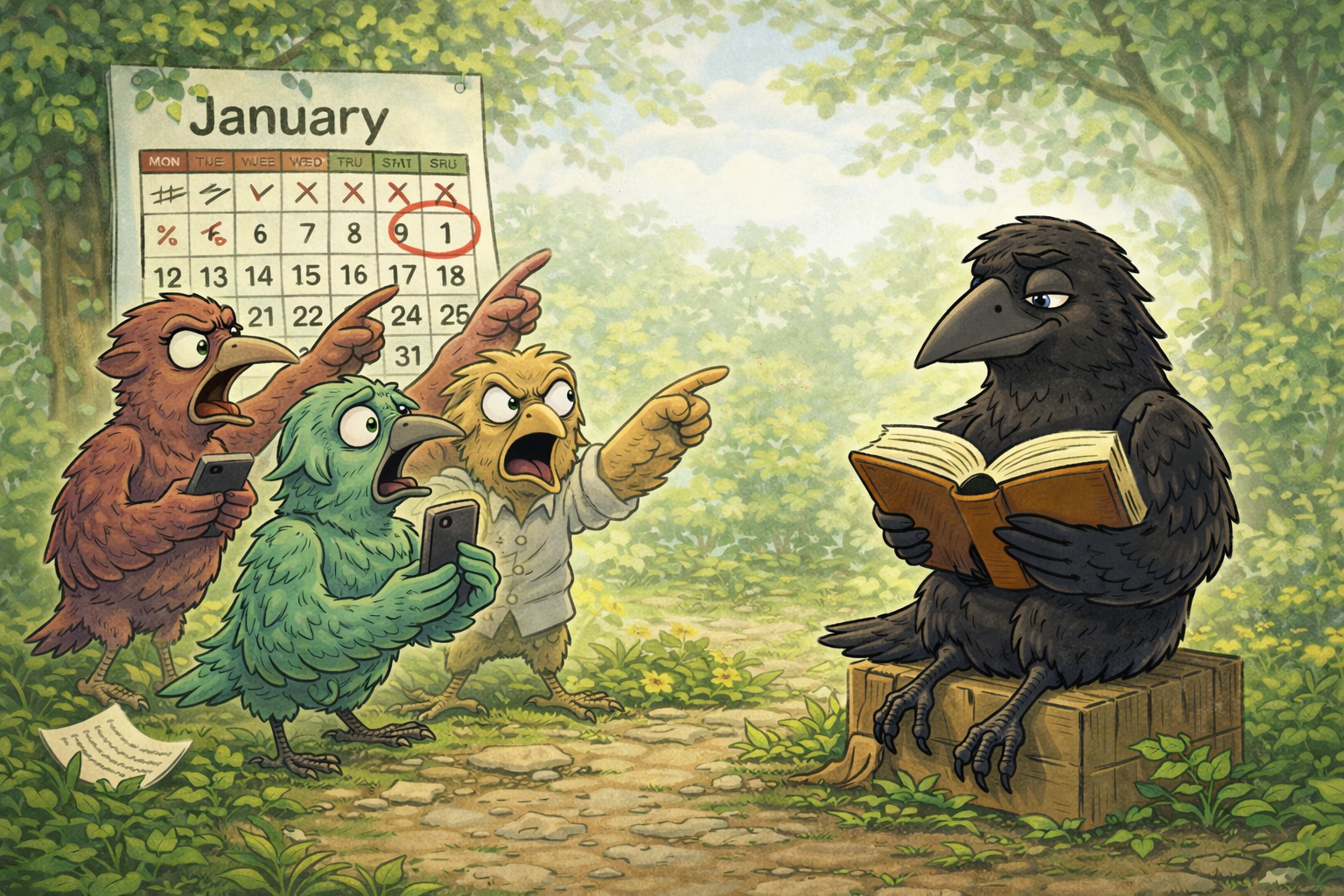
    A lot of people think a Bible reading plan has to start on January 1.

    So if they discover one in March, or July, or October, they assume they’ve already missed it. The plan started months ago. They’ll just wait until the next year and begin then.

    That sounds reasonable, but it rarely works.

    When January arrives, life is busy again. The idea of starting gets pushed aside, and another year passes.

    Some people try the opposite approach. They decide to start immediately but attempt to catch up on everything they missed. A few days of reading suddenly turns into weeks or months of chapters.

    That usually doesn’t last either. The workload feels too large, and the plan gets abandoned.

    There’s a simpler option.

    Just start where the readings are now.

    Don’t worry about what came before. Those chapters will still be there next time they come around. The Bible isn’t going anywhere.

    The goal isn’t to complete a perfect calendar. The goal is to build a habit of reading.

    If you start today and keep going, by the time January arrives you’ll already be used to the routine. When the readings cycle back to the beginning, you can read those chapters then.

    Nothing lost.

    No catching up required.

    Just start where we are and keep going.

    If you’d like the weekly readings delivered to your inbox each Sunday, you can sign up below.

    Just keep reading.

    Start With This Week’s Readings

    We respect your email privacy

    By submitting, you consent to receive emails from His Word Together, including blog posts and updates. You may unsubscribe at any time.

  • You Probably Scrolled Longer Than This Takes

    You Probably Scrolled Longer Than This Takes

    People often assume Bible reading requires a large block of time.

    Something like an hour in the morning or a long quiet stretch in the evening. It feels like something that would be difficult to fit into an ordinary day.

    But the reality is usually much smaller than that.

    A chapter of Proverbs can be read in a couple of minutes. A Psalm might take another minute or two. Even with the additional weekly readings, most days still fall somewhere around fifteen minutes of reading time.

    Sometimes less.

    That’s about the same amount of time many people spend scrolling through their phones without even noticing it. A few minutes here, a few minutes there, and before long the time is gone.

    The reading plan here is designed around that reality. The daily readings are intentionally small so they can fit into an ordinary day without needing to rearrange everything else around them.

    Speed isn’t the point.

    The goal is simply steady exposure to the text over time. When you keep returning to it day after day, the chapters begin to accumulate. What once felt like a large commitment slowly becomes a normal part of the routine.

    If you’d like the weekly readings delivered to your inbox each Sunday, you can sign up below.

    Just keep reading.

    Start With This Week’s Readings

    We respect your email privacy

    By submitting, you consent to receive emails from His Word Together, including blog posts and updates. You may unsubscribe at any time.

  • Yeah, But What Do You Think?

    Yeah, But What Do You Think?

    Most Bible websites explain the text.

    This one doesn’t.

    There are no devotionals here, no interpretive notes, and no commentary telling you what a passage “really means.”

    Just the readings.

    The internet is full of explanations about Scripture. Most of them start with the assumption that what you really need is someone to interpret the Bible for you.

    This site starts with a different assumption.

    You can read it yourself.

    You may not understand everything immediately. That’s normal. The Bible was written across centuries, in different places, through different people. Some passages are simple. Others take time.

    But understanding rarely comes from someone else summarizing the text for you. It comes from exposure. Reading it directly. Returning to it. Seeing passages again later with more context than you had the first time.

    That’s why the structure here is simple.

    Each day you read the chapter of Proverbs that matches the date. The weekly readings add Psalms and other sections of Scripture as the year progresses.

    No streak counters. No pressure to catch up. Just steady progress through the text.

    Over time, repetition builds familiarity. Familiarity builds understanding.

    Quietly.

    If you’d like the weekly readings delivered to your inbox each Sunday, you can sign up below.

    No commentary. No agenda. Just the readings.

    Start With This Week’s Readings

    We respect your email privacy

    By submitting, you consent to receive emails from His Word Together, including blog posts and updates. You may unsubscribe at any time.